FTM Top Surgery: Risks, Complications, and What to Expect Afterwards
Every patient who comes to see Mr Fitton about FTM top surgery asks the same question at some point: “What can go wrong?”
It is exactly the right question to ask. Antony’s view has always been that an informed patient is a confident patient — and that going into surgery with a clear, realistic understanding of the possible risks and what recovery actually feels like is far better than being caught off-guard by something unexpected.
He has performed a significant number of FTM top surgery procedures over the years, and the great majority of his patients do extremely well. The overwhelming majority gain enormously from their surgery and move forward in their lives, often better than they had hoped. But surgery is still surgery, and he wants to make sure you understand the full picture.
It is very important that you have a realistic attitude of what female to male chest reconstruction surgery can achieve, and to be prepared to accept varying degrees of scarring, loss of sensation, and irregularity or asymmetry.
This guide walks through every significant risk and complication associated with FTM top surgery, explains what we do to minimise each one, and describes what you can expect to feel — physically and emotionally — in the days, weeks, and months after your operation.
Quick Overview
Pre-operative risk factors — smoking, BMI, medical conditions like diabetes, and how these are managed before surgery to optimise outcomes.
Nine specific risks explained in depth:
- Scarring (including keloid risk)
- Infection and how antibiotics reduce it
- Bleeding and haematoma — including Mr Fitton’s use of clotting medication and clotting spray as a proactive step
- Asymmetry and nipple placement precision
- Free nipple graft failure and the tattooing option
- Dog ears and how they’re corrected
- Seroma and needle drainage
- Changes to nipple and chest sensation
- DVT and pulmonary embolus, and the importance of mobilising early
The psychological side — honest acknowledgement that emotional recovery is as real as physical recovery, with encouragement to maintain support networks.
Week-by-week recovery guide — what patients will physically and emotionally feel from day one through to six months post-op, including shoulder exercises and binder advice.
Realistic outcomes — what to expect and accept, balanced with the strong positive results Mr Fitton’s patients consistently report.
Before We Talk About Risks: What Affects Them
Not all patients carry the same surgical risk, and one of the most important things I can do for you before your operation is make sure you are in the best possible condition for surgery. Several factors directly affect the likelihood and severity of complications:
Smoking: Smoking significantly impairs wound healing and increases the risk of infection, poor scarring, and tissue complications. We advise all patients to stop smoking before surgery.
BMI and weight: A higher BMI increases general surgical risk and has a specific effect on the quality of outcomes — the results are far better in those who have reached a healthy weight. I may advise weight loss before we proceed.
Medical conditions: Conditions such as diabetes can influence how safely surgery can be carried out and how well the body heals. All patients undergo a pre-operative assessment, and I may ask you to work with your GP to optimise any medications beforehand.
These are not barriers to surgery, they are things we address together, so that when we do operate, we give you the best possible chance of a smooth recovery and a result you are truly happy with.

Am I Ready For Plastic Surgery?
Download your free self-assessment checklist to help you reflect on whether now is the right time for you — emotionally, physically, and practically.
1. Scarring
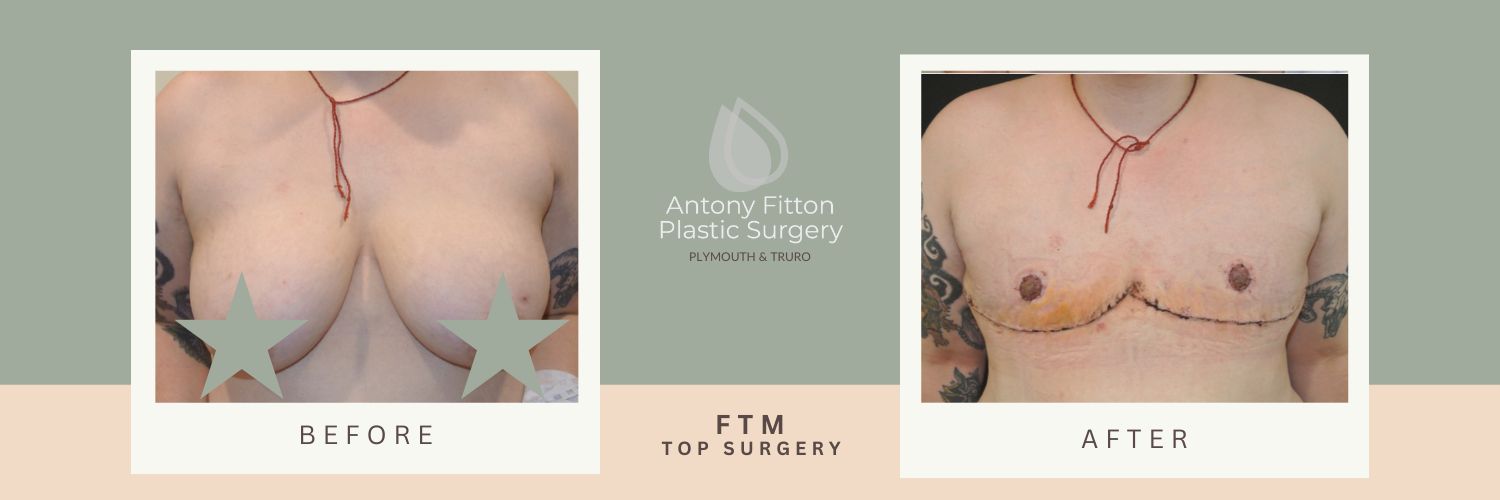
Scarring is an inevitable result of any surgery, and top surgery is no exception. The extent and visibility of scarring depends on the technique used. The double incision approach — the most commonly used method — results in a curved or linear scar running across the lower chest, while the periareolar and keyhole techniques leave smaller, more discreet marks.
In the ideal outcome, scars settle over time to become a fine, pale line that sits neatly along the natural contour of the chest. However, healing varies from person to person. On occasions, scars can remain red and thickened. In rare cases, keloid scars can form — raised, firm scars that extend beyond the wound edges. These can be more difficult to treat and may require additional management.
We discuss your personal scarring history at consultation. If you have previously developed keloid or hypertrophic scars, this is important information that will inform both our technique choices and our post-operative care plan.
2. Infection
Any surgical wound carries a risk of infection. To minimise this, antibiotics are administered at the start of the procedure — a standard precaution that significantly reduces the likelihood of a wound becoming infected.
Signs of infection — increasing redness, warmth, swelling, or discharge from the wound — should prompt you to contact us promptly.
Early treatment with antibiotics is usually very effective, and we ensure you leave hospital with clear written instructions about what to look out for.
3. Bleeding and Haematoma
The breast is a naturally vascular organ — rich in blood vessels — which means that bleeding is a real consideration during and after surgery. During the FTM procedure, blood vessels are carefully sealed, but occasionally one may reopen in the 24 to 48 hours following surgery. If blood collects in the operative site, this forms what is known as a haematoma, which may require drainage.
Soft drain tubes are inserted at the end of the procedure specifically to reduce this risk. These are connected to a small vacuum bottle and collect any fluid that accumulates — they are typically removed the following morning once drainage has settled to a safe level.
Antony has also introduced blood clotting medication during surgery, along with a clotting spray applied to the wound edges, as an additional step to further reduce the risk of haematoma. He has been using these techniques for some time now and have seen a meaningful reduction in the number of patients developing haematomas as a result.
4. Asymmetry
No body is perfectly symmetrical — and no surgical result ever will be either. The scars on the left and right side of the chest will not be identical, and the positioning of the nipples will not be an exact mirror image. However, any difference should be minimal, and scars become less obvious as they mature and fade.
Antony takes great care with nipple placement. He uses a combination of the patient’s own measurements and the anatomical proportions of a cisgender male chest to determine where the nipples would naturally sit.
5. Free Nipple Graft Failure
In the double incision technique, the nipples are removed and reattached as free nipple grafts. As with any graft, there is a small possibility that the graft does not fully take — meaning the tissue does not establish a sufficient blood supply in its new position. Partial or complete graft failure can occur.
If a nipple graft fails, the resulting wound is allowed to heal naturally by secondary intention — a process that, while slower, is generally reliable. Once healed, nipple tattooing is an excellent option, and many patients find that a skilled tattoo artist can achieve a very convincing and natural-looking result.
The Psychological Side: What Nobody Tells You
Top surgery is not only a physical undertaking. It is also, for many patients, a profound and emotionally significant event. The aftermath of your operation may affect your wellbeing in ways that are not always straightforward, even when the physical result is exactly what you hoped for.
Some patients experience a degree of emotional vulnerability in the days and weeks after surgery — a combination of the anaesthetic, the physical demands of healing, and the significance of the change. Others feel immediate and overwhelming relief and joy. Both responses, and everything in between, are entirely valid.
It is important to have support around you during recovery — people you can lean on if you need to. If you are working with a gender identity specialist or counsellor, keeping that connection active through the recovery period can be very helpful. And if you feel you need additional support at any point, please do not hesitate to contact the team.
The aftermath of your operation may affect your wellbeing; sometimes additional support is required for you to adjust to your new form.
6. Dog Ears (Puckering at the Scar Ends)
Dog ears — small puckers or folds of skin at the ends of the mastectomy scar — are more likely to occur when the original breast volume is large, simply because more skin needs to be removed and re-draped. In many cases, this settles naturally as swelling resolves and the tissues settle over the months following surgery.
If puckering does not resolve after several months, it can be revised under local anaesthetic as a straightforward outpatient procedure. This is not uncommon and should not cause alarm.
7. Seroma (Fluid Collection)
A seroma is a collection of clear fluid that can accumulate at the surgical site in the weeks after the operation. It occurs because the body produces fluid in response to tissue disruption. The use of a surgical binder — which is recommended to be worn for at least a fortnight after surgery — helps compress the space and reduce the likelihood of this happening.
If you notice increased swelling in the weeks following surgery, please contact us. If a seroma is confirmed, it can be drained using a fine needle — a procedure that is no more uncomfortable than a blood test. This occasionally needs to be repeated once or twice before the fluid production settles.
8. Changes to Nipple and Chest Sensation
Altered or reduced sensation is one of the most consistent changes patients should expect following top surgery. The extent depends largely on which technique is used. In procedures where the nipple is detached and regrafted, sensation is significantly reduced — some patients recover partial sensation over time, but complete restoration is not guaranteed.
In techniques where the nipple remains on a pedicle (as in the periareolar approach), sensation is better preserved. Antony will discuss this carefully at consultation so that patients can weigh this against other factors when discussing which technique is most appropriate.
9. Deep Vein Thrombosis (DVT) and Pulmonary Embolus
Any major surgery carries a risk of blood clot formation — in particular deep vein thrombosis (a clot in the leg veins) or, more seriously, pulmonary embolus (a clot that travels to the lungs). The risk is meaningfully higher in patients who are immobile after FTM surgery.
You must mobilise after your operation. It is essential not to remain in bed or sit for prolonged periods. Drinking plenty of water helps, and gentle arm and shoulder exercises should be started from the day after surgery. DVT prevention measures are also administered as part of our peri-operative care.
What to Expect Immediately After Surgery
You will wake from the anaesthetic in the recovery suite, before being returned to your ward room. There will be some discomfort — tightness and soreness across the chest — which is managed with pain relief. The nursing team will monitor you closely.
You will have drains in place: soft tubes connected to a small vacuum bottle, which collect any fluid that accumulates at the operative site. These look unfamiliar, but they are painless and are generally removed the following morning once drainage levels have settled. In some cases, where drainage remains higher than we would like, you may be asked to stay an additional night.
Dressings will remain in place for approximately ten days. During this period, you should keep the wound dry — washing by sitting in a shallow bath or using a flannel is fine. If free nipple grafts have been used, these will be protected under a foam dressing sutured in place.
Before you leave hospital, Mr Fitton or the nursing team will ensure you have all the written instructions, medications, and contact details you need. You will not be discharged until the team is satisfied you are comfortable and ready.

Recovery Week by Week: What You Are Likely to Feel
The First Week
Expect to feel tired. A bilateral mastectomy is a significant operation, and your body is directing considerable energy toward healing. Some bruising and swelling is entirely normal, and will peak in the first few days before gradually resolving. There may be a feeling of tightness across the chest, which is also normal.
Rest is important — but complete immobility is not. You should be moving gently: short walks, gentle arm movements. Prolonged bed rest increases the risk of blood clots and is actively discouraged.
The Second Week
Your dressings will be removed at your first post-operative appointment, around ten days after surgery. This is often an emotionally significant moment — seeing your chest for the first time. Mr Fitton encourages patients to be patient with themselves: the chest will still be swollen and bruised at this stage, and scars will be at their most visible. The final result takes months to fully emerge.
You should continue wearing your surgical binder during this period. This helps reduce swelling and provides important support to the healing tissues.
Weeks Three to Six
Energy levels gradually improve. Swelling continues to reduce week by week. Many patients are able to return to desk-based work or study within two to three weeks, depending on their role and individual recovery.
Activities that involve raising the arms above the head or putting strain across the chest should be avoided. Swimming and intensive gym exercise should be postponed for six weeks. Arm and shoulder physiotherapy exercises — which can be self-directed — are important during this period to maintain shoulder suppleness.
Simple shoulder exercises such as placing hands on your head, reaching behind to the spine, or walking your fingers up a wall are all helpful for maintaining range of movement and should be started gently from early in your recovery.
Months Two to Six
This is the period during which scars begin to mature and fade. Scars are typically at their reddest and most raised around six to eight weeks after surgery, before slowly softening and lightening. Scar treatment products and massage — once wounds are fully healed — can support this process, and Mr Fitton will advise you on this at your follow-up appointments.
Most patients feel very much back to normal by three months. By six months, the chest has settled significantly and you have a clear sense of the final result. Scars can continue to improve for up to two years.
What Outcomes Can You Realistically Expect?
The aim of FTM top surgery is a flat, masculine chest contour with the nipple positioned in an anatomically appropriate location. When the right technique is matched to the right patient, the results can be transformative.
Patients of Antony Fitton consistently say that surgery has allowed them freedoms they had not fully anticipated: swimming without a binder, wearing fitted clothing, stepping outside on warm days without planning. One patient wrote that top surgery provided them with the freedom to go swimming and to finally stay cool in summer, and that it had helped to mark a new chapter in their life.
Our observations indicate the overwhelming majority of our patients gain enormously from their surgery and move forward in their lives, often better than they had hoped.
What you should expect to accept as part of the result: visible scarring, some degree of altered nipple sensation, and a healing process that takes longer than many people anticipate. These are real and consistent aspects of recovery — not failures of the surgery.
What you should feel confident expecting: a surgeon who is invested in your result, a team that supports you throughout, and a recovery pathway that is clearly explained at every stage.
Your Follow-Up Care
Your first post-operative appointment is at around ten days, when dressings are removed and the wound is checked. Depending on your recovery, further follow-up will be arranged either with your GP or with Mr Fitton directly — whichever you prefer.
If at any point between appointments you are concerned — about the wound, about swelling, about how you are feeling — please contact the team directly. They are here throughout your recovery, not only at scheduled appointments.
Waiting times vary significantly depending on the clinic and region, but many patients report waits of several years for initial assessments and surgical referrals.
Yes. Many private surgeons across the UK offer chest masculinisation surgery for transgender and non-binary patients.
Some surgeons require a diagnosis or referral letter, while others may assess patients on a more individual basis.
Not always. Testosterone is not universally required before FTM top surgery.
Most patients need several weeks of recovery, with full healing and scar maturation taking several months.
Remember: Plastic surgery can be a life-changing decision, offering both cosmetic and functional benefits.
However, it is crucial to have accurate information and realistic expectations. Consulting with a certified and experienced plastic surgeon is the best course of action to ensure you receive personalised advice and clear answers to any queries.
– Educate Yourself: Research procedures thoroughly.
– Prepare for Recovery: Understand the time and effort needed for healing.
– Prioritise Your Safety: Choose reputable clinics and experienced professionals.
Ultimately, informed decision-making plays a vital role in achieving satisfactory results in any cosmetic procedure.
Take the First Step and Arrange a Confidential Consultation
For a no-obligation quote, tailored specifically to you, please book in for your consultation with Mr Fitton. Your requirements will be discussed in full confidence in a friendly and relaxed atmosphere.
- Email: info@antonyfitton.co.uk
- Phone: 07494 250277
- Website: plasticsurgeryplymouth.com
Following your consultation, the price you are quoted includes everything and there are no extra or hidden costs. Advice, treatment and aftercare are all part of our package to ensure your experience is positive from beginning to end.
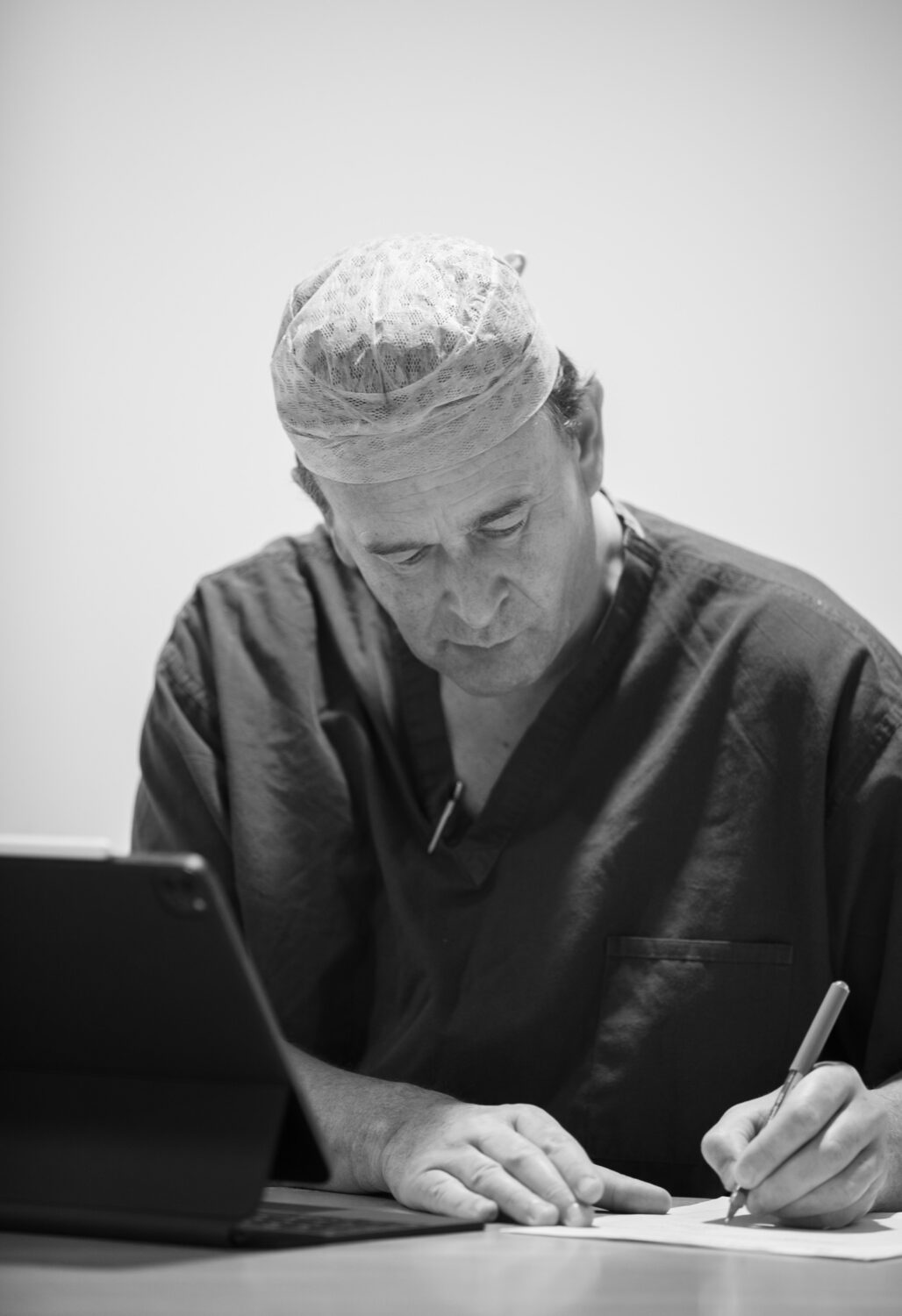
About your Plastic Surgeon: Mr Antony Fitton
MB, BS(hons)., MD., FRCS(eng)., FRCS(plast).
Mr Antony Fitton qualified at the Royal London Hospital in 1989 with distinction in Surgery. He holds an MB, BS(Hons)., MD., FRCS(eng). and FRCS(plast). (Fellowship at the Royal College of Surgeons).
He is a member of BAPRAS (British Association for Plastic, Reconstructive and Aesthetic Surgeons), BAAPS (British Association for Aesthetic Plastic Surgeons), and BSSH (British Society for Surgery of the Hand).
Mr Fitton has received the Paton & Masser Award and the CM Matthews Award from the Royal College of Surgeons of England for his research in nerve injury.
Mr Fitton is licensed as a Plastic and Reconstructive Surgeon by the GMC.

- 0% Finance Available
- Consultations and treatments are available at the Nuffield Health Hospital, Plymouth
- Care Quality Commission Regulated
- GMC Specialist Registered Surgeon
- BAPRAS, BAAPS and BSSH member
- Registered MD
Life-changing result
"I just wanted to thank you (and your team) for the life-changing result of my top surgery. This will provide me with the freedom that I’m excited to enjoy, including being able to go swimming and actually staying cool in summer! All jokes aside, you have helped to mark a new chapter in my life, for which I am incredibly grateful… ALL the best."
Our appearance has an impact on how others perceive us. We are experts in creating an improved version of you. You can click on the procedure below for more information.
Body surgery (or contouring) can involve all or one of the following, with a prime focus on areas such as the buttocks, tummy, thighs, arms, and breasts. Click on the links below for more information.
There are several different types of hand surgery but all aim to restore functionality while making the hand look as normal as possible. Click on the links below for more information.
FTM Top Surgery: Risks, Complications, and What to Expect Afterwards
Every patient who comes to see Mr Fitton about FTM top surgery asks the same question at some point:
Accessing Gender-Affirming Care in the UK | Private FTM Top Surgery
Explore why many FTM and non-binary patients are choosing private top surgery in the UK to avoid lon

FTM Top Surgery: Understanding Your Surgical Options
There are currently three principal surgical techniques used in FTM chest reconstruction. Each has i