follow us:

Am I a Suitable Candidate for FTM Top Surgery? | Antony Fitton Plastic Surgery | Plymouth
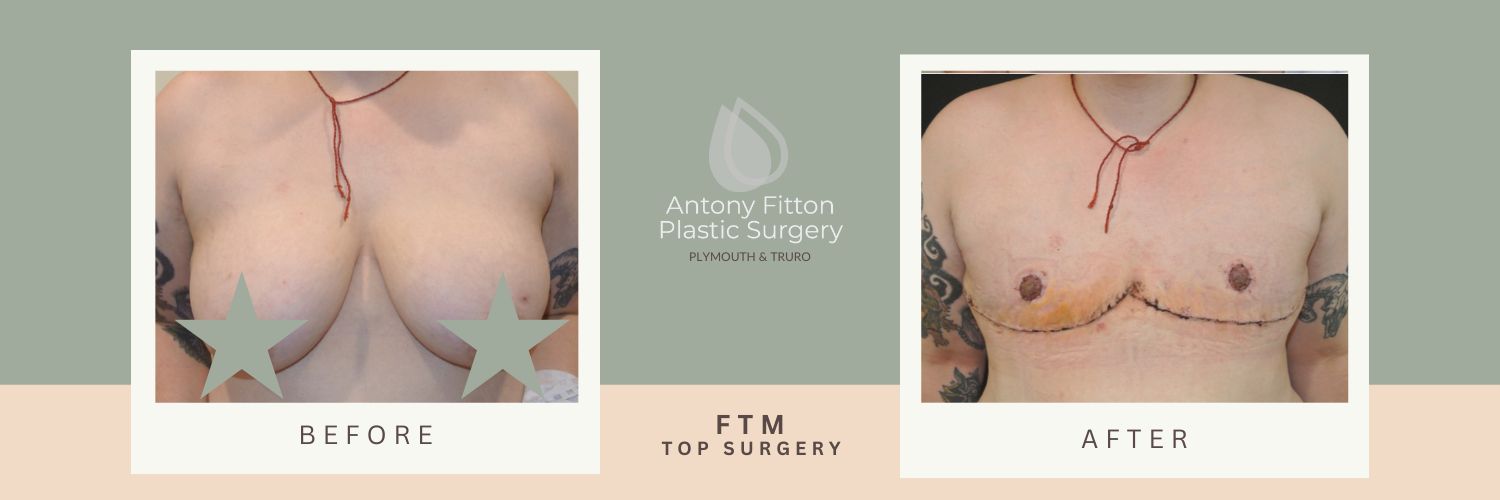
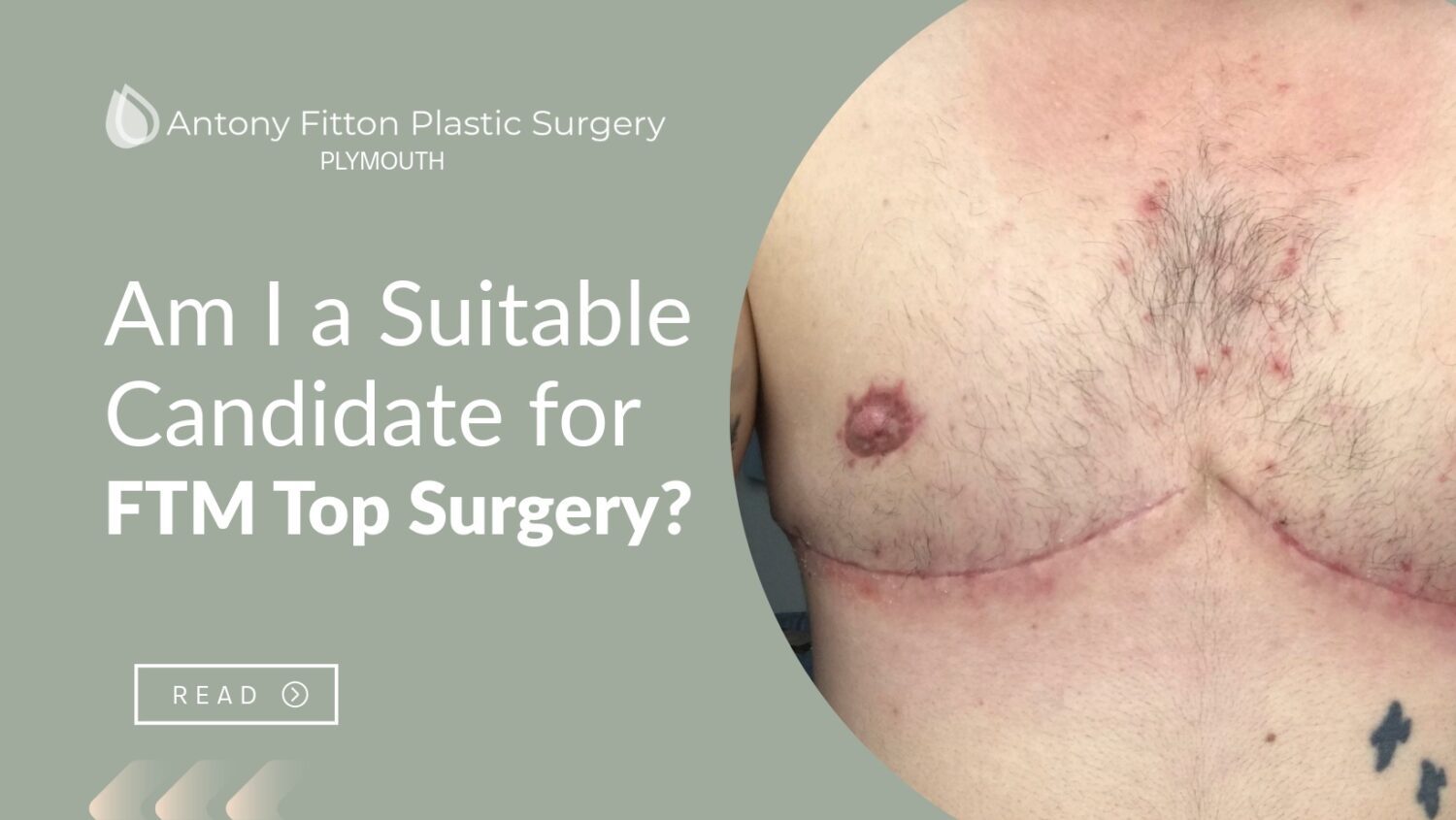
Am I a Suitable Candidate for FTM Top Surgery?

For many transgender and non-binary individuals, FTM (female-to-male) top surgery is a life-changing step toward feeling more comfortable and confident in your body.

But, one of the most common questions asked is:

“Am I actually ready—and suitable—for top surgery?”

This guide will walk you through the key considerations, including the impact of binding, surgical methods, incision options, scarring, and nipple sensation—so you can make an informed decision.

Many patients find that the benefit of a flat chest far outweighs the presence of scars, stating the surgery provided relief and confidence they didn’t realise they needed.

Why Consider FTM Top Surgery?

FTM / FTN Top surgery removes breast tissue and reshapes the chest to create a flatter, more masculine or gender-neutral appearance.

For many patients, it can:

    • Reduce or eliminate gender dysphori
    • Improve confidence in social and intimate settings
    • Remove the need for daily binding
    • Support physical comfort and freedom

The Hidden Impact of Chest Binding

Before surgery, many people use chest binders to flatten their chest. While effective, long-term binding can cause real physical problems.

Common issues with binding include:

    • Back, neck, and shoulder pain
    • Skin irritation or breakdown
    • Restricted breathing
    • Reduced exercise tolerance
    • Rib discomfort or even injury

For some, these symptoms become a major driver for surgery.

NB: If binding is affecting your daily life, sleep, or physical health, it may be a strong indicator that you could benefit from top surgery.

Am I a Suitable FTM Surgery Candidate?

Suitability isn’t just about physical health—it’s a combination of medical, emotional, and practical readiness.

You may be a good candidate if:

    • You experience persistent chest dysphoria
    • You are in generally good physical health
    • You have realistic expectations about results
    • You understand the risks and recovery process
    • You are making the decision for yourself (not external pressure)

Do I need to be on hormone therapy?

Not always. Many surgeons in the UK do not require testosterone therapy, especially in private practice. However, it can:

    • Affect chest tissue composition
    • Influence final contour

Understanding FTM Surgical Methods

The best surgical technique depends on your chest size, skin elasticity, and desired outcome.

1. Double Incision (Most Common)

    • Best for medium to large chests
    • Involves removing breast tissue and excess skin
    • Nipples are usually grafted

Pros:
Predictable, flat results
Suitable for most patients

Considerations:
More visible scarring
Reduced nipple sensation (in many cases)

2. Periareolar (Keyhole) Technique

    • Suitable for smaller chests with good skin elasticity
    • Incisions made around the areola

Pros:
Minimal scarring
Potentially better nipple sensation

Considerations:
Less effective for larger chests
May not achieve as flat a result

Am I Ready for Plastic Surgery? A self-assessment checklist for potential patients Plastic surgery is a personal decision. This checklist is designed to help you reflect on whether now is the right time for you — emotionally, physically, and practically.

Am I Ready For Plastic Surgery?

Download your free self-assessment checklist to help you reflect on whether now is the right time for you — emotionally, physically, and practically.

Chest Incision Shape and Placement

Incision design is a key part of achieving a natural-looking chest.

Common incision styles:

    • Straight horizontal scars (clean, masculine look)
    • Curved scars (follow chest contour)
    • Low placement to sit under the pectoral line

Antony will tailor incision shape to:

    • Your anatomy
    • Your goals
    • Your skin characteristics

What About Chest Scarring?

Scarring is an unavoidable part of top surgery—but how it heals varies significantly.

Factors that affect chest scarring:

    • Genetics
    • Skin type and tone
    • Surgical technique

FTM Surgery Aftercare

What to expect:

    • Scars typically fade over 12–18 months
    • They may remain visible but soften over time

Ways to improve scar outcomes:

    • Silicone gel or sheets
    • Avoiding sun exposure
    • Following post-op care instructions carefully

Many patients find that the benefit of a flat chest far outweighs the presence of scars.

Will I Lose Nipple Sensation?

This is one of the most important—and most personal—considerations.

Nipple sensation depends on:

    • Surgical technique
    • Whether nipple grafts are used
    • Individual healing

Typical outcomes:

    • Double incision with grafts: Reduced or no sensation is common
    • Periareolar technique: Higher chance of preserving sensation

Some patients regain partial sensation over time, but full sensation cannot be guaranteed.

Emotional Readiness Matters

Top surgery is not just physical—it’s emotional. Ask yourself:

    • Am I doing this for myself?
    • Do I understand the recovery process?
    • Do I have support during healing?

Many patients describe top surgery as:

“Relief I didn’t realise I needed until it happened.”

Recovery at a Glance

    • Time off work: typically 2–6 weeks
    • Compression garment: several weeks
    • Full healing: several months
    • Final results: up to 12 months

FTM Top Surgery FAQs:

Most surgeons recommend stopping binding at least 2–4 weeks before surgery to allow the skin and tissues to recover.

Scars may be visible, but results are typically natural-looking—especially once healed.

Yes. Mr Fitton will discuss:

  • Chest contour
  • Nipple size and position
  • Scar placement

Choosing a qualified, experienced surgeon (like Antony Fitton in Plymouth) with a portfolio of consistent results.

Final Thoughts: Is Top Surgery Right for You?

There’s no single checklist that determines whether you’re “ready.”

But if:

    • Binding is impacting your quality of life
    • You feel persistent chest dysphoria
    • You’re informed and prepared…then top surgery may be the next step.


Considering FTM Top Surgery in Devon or Cornwall?

If you’re exploring your options, it’s important to speak with a specialist who understands both the technical and personal aspects of top surgery.

A specialist consultation with Mr Fitton gives you the chance to:

    • Ask questions
    • Understand your options
    • See real patient outcomes
    • Build confidence in your decisio

Take the Next Step

Book a confidential consultation with Antony Fitton today, and start your journey with clarity and confidence.

Remember: Plastic surgery can be a life-changing decision, offering both cosmetic and functional benefits.

However, it is crucial to have accurate information and realistic expectations. Consulting with a certified and experienced plastic surgeon is the best course of action to ensure you receive personalised advice and clear answers to any queries.

– Educate Yourself: Research procedures thoroughly.

– Prepare for Recovery: Understand the time and effort needed for healing.

– Prioritise Your Safety: Choose reputable clinics and experienced professionals.

Ultimately, informed decision-making plays a vital role in achieving satisfactory results in any cosmetic procedure.

Take the First Step and Arrange a Confidential Consultation

For a no-obligation quote, tailored specifically to you, please book in for your consultation with Mr Fitton. Your requirements will be discussed in full confidence in a friendly and relaxed atmosphere.

Following your consultation, the price you are quoted includes everything and there are no extra or hidden costs. Advice, treatment and aftercare are all part of our package to ensure your experience is positive from beginning to end.

Plastic Surgery Consultation:What's involved? A consultation with Antony Fitton plastic surgeon will educate you & put your mind at ease
Mr Fitton practices in Plymouth and Truro.

About your Plastic Surgeon: Mr Antony Fitton

MB, BS(hons)., MD., FRCS(eng)., FRCS(plast).

Mr Antony Fitton qualified at the Royal London Hospital in 1989 with distinction in Surgery. He holds an MB, BS(Hons)., MD., FRCS(eng). and FRCS(plast). (Fellowship at the Royal College of Surgeons).

He is a member of BAPRAS (British Association for Plastic, Reconstructive and Aesthetic Surgeons), BAAPS (British Association for Aesthetic Plastic Surgeons), and BSSH (British Society for Surgery of the Hand).

Mr Fitton has received the Paton & Masser Award and the CM Matthews Award from the Royal College of Surgeons of England for his research in nerve injury.

Mr Fitton is licensed as a Plastic and Reconstructive Surgeon by the GMC.
Antony Fitton Credentials
    • 0% Finance Available
    • Consultations and treatments are available at the Nuffield Health Hospital, Plymouth
    • Care Quality Commission Regulated
    • GMC Specialist Registered Surgeon
    • BAPRAS, BAAPS and BSSH member
    • Registered MD

A big thank you

"I would just like to say a big thank you, to you Leanne, Mr Fitton and all the nurses that I encountered during my stay in hospital and at my pre/post op appointments. You've all been very lovely and provided an amazing service.’"
Anon
Patient

Life-changing result

"I just wanted to thank you (and your team) for the life-changing result of my top surgery. This will provide me with the freedom that I’m excited to enjoy, including being able to go swimming and actually staying cool in summer! All jokes aside, you have helped to mark a new chapter in my life, for which I am incredibly grateful… ALL the best."
J
Patient

Expertise, huge care and attention

"Thank you so much for your expertise, huge care and attention. I am thrilled with the results!"
LH
Patient

Plastic Surgery Treatments

Our appearance has an impact on how others perceive us. We are experts in creating an improved version of you. You can click on the procedure below for more information. 

There are generally three categories of breast surgery: breast augmentation, breast reduction, and breast reconstruction. Click on the links below for more information.
 
  •  

Body surgery (or contouring) can involve all or one of the following, with a prime focus on areas such as the buttocks, tummy, thighs, arms, and breasts. Click on the links below for more information.


There are several different types of hand surgery but all aim to restore functionality while making the hand look as normal as possible. Click on the links below for more information.


  •