
What are the Different Types of Eyelid Reduction Surgery?
What is a Blepharoplasty (Eyelid Reduction) and is it Safe?
Blepharoplasty, commonly referred to as eyelid reduction surgery, is a cosmetic procedure aimed at enhancing the appearance of the eyelids. This surgery can involve the upper eyelids, lower eyelids, or both.
By removing excess skin, muscle, and fat, blepharoplasty addresses issues such as drooping eyelids, puffiness, or under-eye bags. Many individuals opt for this surgery to achieve a more youthful and refreshed appearance, as it can significantly improve facial harmony and visual health, such as improving sight impacted by drooping eyelids.
Blepharoplasty At a Glance – What You Can Expect
Blepharoplasty, commonly known as eyelid surgery, is a cosmetic procedure aimed at improving the appearance of the eyelids. Whether you want to enhance your looks or address functional issues, blepharoplasty can rejuvenate the area surrounding your eyes. During the procedure, excess skin, muscle, and sometimes fat are removed or repositioned to restore a youthful and rested look. Here’s a closer look at what you can anticipate before and after undergoing this popular surgery.
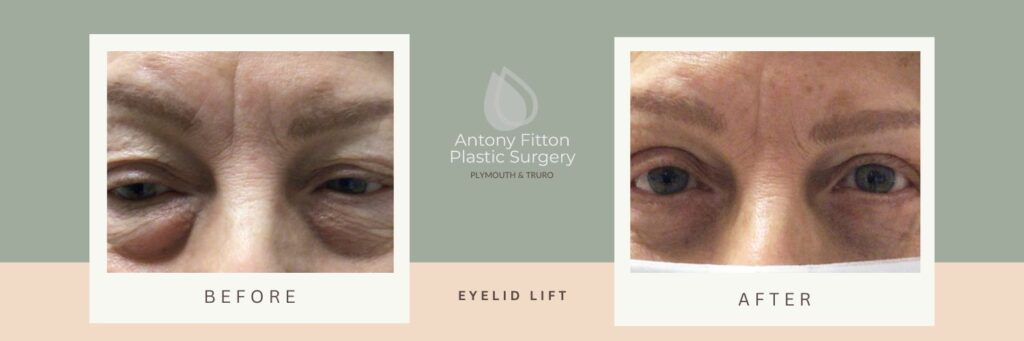
Before and After Blepharoplasty
Before deciding to undergo blepharoplasty, you will typically have a detailed consultation with your surgeon. This meeting serves to assess your health, discuss your expectations, and determine if you are a suitable candidate for the surgery. Pre-operative guidelines usually include ceasing smoking and avoiding certain medications that might increase bleeding.
After the surgery, patients may initially experience swelling and bruising around the eyes, which is normal and expected. Recovery often involves using cold compresses, pain medication, and possibly ointments to aid healing. Most people can return to normal activities within a week or two. The final results, with reduced eye puffiness and smoother skin, become apparent over a few weeks as the swelling subsides.
Who is Suitable for Blepharoplasty?
Candidates for blepharoplasty typically include healthy individuals who do not have serious eye conditions and have realistic expectations about the results. Many patients seek this surgery to correct droopy eyelids that make them look older or impair their vision. However, potential candidates also include those looking to enhance their natural appearance through cosmetic improvement of the eye region.
Why Do People Have Eyelid Reduction?
There are several reasons why individuals opt for eyelid reduction surgery:
– Aesthetic Improvement: Many seek the surgery to gain a more youthful and refreshed appearance. Reducing droopy or hooded eyelids can dramatically improve facial aesthetics and boost self-confidence.
– Functional Reasons: For some, the motivation is more than cosmetic. Excess skin on the upper eyelid can impair vision, making activities like reading or driving challenging.
– Genetic Factors: Genetic predisposition can lead some individuals to develop surplus eyelid tissue earlier in life, prompting the desire for surgical intervention at a younger age.
Understanding the motivations and processes behind eyelid reduction surgery is essential for anyone considering this course of action to ensure it aligns with both their cosmetic desires and practical needs.

Types of Eyelid Reduction Surgery
Eyelid reduction surgery offers various options tailored to different needs and aesthetic goals. Each type focuses on different parts of the eyelid and addresses specific concerns such as sagging, puffiness, or excess skin.
Upper Blepharoplasty
Upper blepharoplasty is a widely sought-after procedure that targets the removal of excess skin and fatty tissue from the upper eyelids. This technique is particularly beneficial for individuals whose drooping eyelids impair their vision or who desire a more youthful appearance. The process involves making a precise incision along the natural crease of the eyelid, allowing the surgeon to remove or reposition underlying tissues. After the desired reshaping, the incision is closed, typically leading to a well-concealed scar within the eyelid’s natural fold.
Lower Blepharoplasty
Lower blepharoplasty focuses on the lower eyelids and is primarily concerned with eliminating puffiness and under-eye bags. This procedure can involve the removal or repositioning of fat deposits, tightening of loose skin, and smoothing out wrinkles. There are different techniques, including an incision inside the eyelid (transconjunctival approach) for those with good skin elasticity, or an external incision just below the lash line for more significant rejuvenation. The chosen method depends on the individual’s specific needs and goals.
Double Eyelid Surgery
Commonly requested in Asian countries, double eyelid surgery aims to create a visible crease in the upper eyelid, producing what is commonly referred to as a ‘double eyelid’. This can enhance eye appearance by making the eyes appear larger and more awake. The double eyelid surgery involves creating a crease through small incisions or stitches on the upper eyelid to achieve the desired contour. It is a popular cosmetic procedure for those seeking to adjust the structure of their eyelids for aesthetic preferences.
What Does Blepharoplasty Surgery Involve?
Blepharoplasty procedures generally involve a comprehensive consultation with a qualified ophthalmic plastic surgeon to understand the patient’s concerns and expectations. The surgery requires precise techniques to make minor incisions on the eyelids to remove excess skin or fat and to tighten surrounding muscles and tissues. The surgery typically takes one to three hours, depending on whether upper or lower eyelids, or both, are being modified.

Assessing the Safety of Eyelid Reduction Surgery
As with any surgical procedure, evaluating the safety and understanding potential risks is crucial to making an informed decision.
General Risks and Complications
Common risks associated with eyelid reduction surgery include bruising, swelling, infection, and eyelid asymmetry. More complex complications such as difficulty closing the eyes, dry eyes, or vision problems are less frequent but should be acknowledged. Thorough pre-operative consultations can help mitigate these risks by addressing any pre-existing eye conditions or allergy histories.
Qualification and Experience of the Surgeon
The safety of eyelid reduction surgeries heavily relies on the surgeon’s expertise. Opt for a qualified surgeon with significant experience in eyelid procedures and plastic reconstructive surgery. A reputable surgeon will provide a detailed explanation of the procedure, including potential risks and benefits, and will display credentials and case studies of previous surgeries upon request.
Post-Operative Care and Recovery
Post-operative care is a critical aspect of ensuring a safe recovery and optimal results. Patients are typically advised to rest with their heads elevated to reduce swelling and to apply cold compresses. Avoidance of strenuous activities and careful adherence to prescribed medications can aid in a smoother recovery process. Regular follow-up appointments are essential to monitor healing and to address any complications promptly.
Choosing the Right Option for Your Aesthetic Goals
When considering eyelid reduction surgery, or blepharoplasty, it is essential to understand the different types available and how they align with your personal aesthetic goals. Each procedure addresses specific concerns, so making an informed decision will help ensure satisfactory results.
1. Upper Eyelid Surgery: This type is typically sought after by those who wish to correct drooping upper lids that may interfere with vision or create a tired appearance. The procedure involves removing excess skin, muscle, and sometimes fat to create a more youthful and alert look.
2. Lower Eyelid Surgery: For individuals struggling with puffy bags under the eyes or sagging skin, lower eyelid surgery can provide a smoother and firmer under-eye area. This procedure often includes the removal or repositioning of fat and the tightening of muscles and skin.
3. Double Eyelid Surgery: Popular among those seeking to create a defined crease in the upper eyelid, this surgery is mainly pursued for aesthetic enhancements rather than functional improvements. It can add depth and expressiveness to the eyes.
When selecting the right surgery, consider factors such as the specific areas you wish to improve, your overall health, and the surgical risks involved. Consulting with a qualified and experienced surgeon will help you understand the benefits and potential complications of each procedure, ensuring your chosen option meets your expectations while maintaining safety.
Eyelid reduction surgery, or blepharoplasty, is typically performed under local anaesthesia or sedation, which minimises discomfort during the procedure. Post-surgery, patients may experience mild swelling, bruising, or discomfort, which can be managed with prescribed pain relief and cold compresses. Most individuals find these symptoms subside within a few days.
Recovery varies among patients, but most can expect to return to normal activities within a week to ten days. Initial swelling and bruising usually improve significantly after the first week. Complete healing, including the fading of incision lines, may take several months.
Although generally safe, like any surgical procedure, eyelid reduction surgery carries some risks. Potential complications may include infection, scarring, dry eyes, or changes in skin sensation. Choosing an experienced and qualified surgeon is crucial to minimise these risks. Always discuss potential complications and your medical history with your surgeon.
Choosing the right type of eyelid surgery depends on your specific needs and aesthetic goals. A consultation with a qualified oculoplastic or cosmetic surgeon can help determine which procedure best suits your individual requirements. They will assess your eyelid structure, discuss your goals, and explain the benefits and limitations of each option.
The results of eyelid reduction surgery can be long-lasting, but they are not entirely permanent as ageing will continue to affect the eye area. Positive results may last for many years, and a healthy lifestyle and proper skincare can help maintain the benefits of the procedure.
Undergoing procedures with Antony Fitton brings tangible, and more importantly safe, advantages:
- Proven expertise – Decades of experience in aesthetic and reconstructive surgery.
- Local, trusted care – Clinics in Plymouth and Truro, avoiding the need to travel abroad.
- Personalised treatment plans – Tailored to meet your goals safely.
- Focus on patient safety – Full follow-up and support throughout recovery.
Book a Safe Plastic Surgery Consultation Today
Plastic surgery can be positively life-changing—but only when performed safely and with trusted expertise. Don’t risk your health for a bargain abroad.
Book a consultation with Antony Fitton today to discuss your options and take the first step towards safe, professional, and personalised private plastic surgery in Plymouth.
Plastic surgery can be a life-changing decision, offering both cosmetic and functional benefits.
However, it is crucial to have accurate information and realistic expectations. Consulting with a certified and experienced plastic surgeon is the best course of action to ensure you receive personalised advice and clear answers to any queries.
– Educate Yourself: Research procedures thoroughly.
– Prepare for Recovery: Understand the time and effort needed for healing.
– Prioritise Your Safety: Choose reputable clinics and experienced professionals.
Ultimately, informed decision-making plays a vital role in achieving satisfactory results in any cosmetic procedure.
For a no-obligation quote
For a no-obligation quote, tailored specifically to you, please book in for your consultation with Mr Fitton. Your requirements will be discussed in full confidence in a friendly and relaxed atmosphere.
Following your consultation, the price you are quoted includes everything and there are no extra or hidden costs. Advice, treatment and aftercare are all part of our package to ensure your experience is positive from beginning to end.
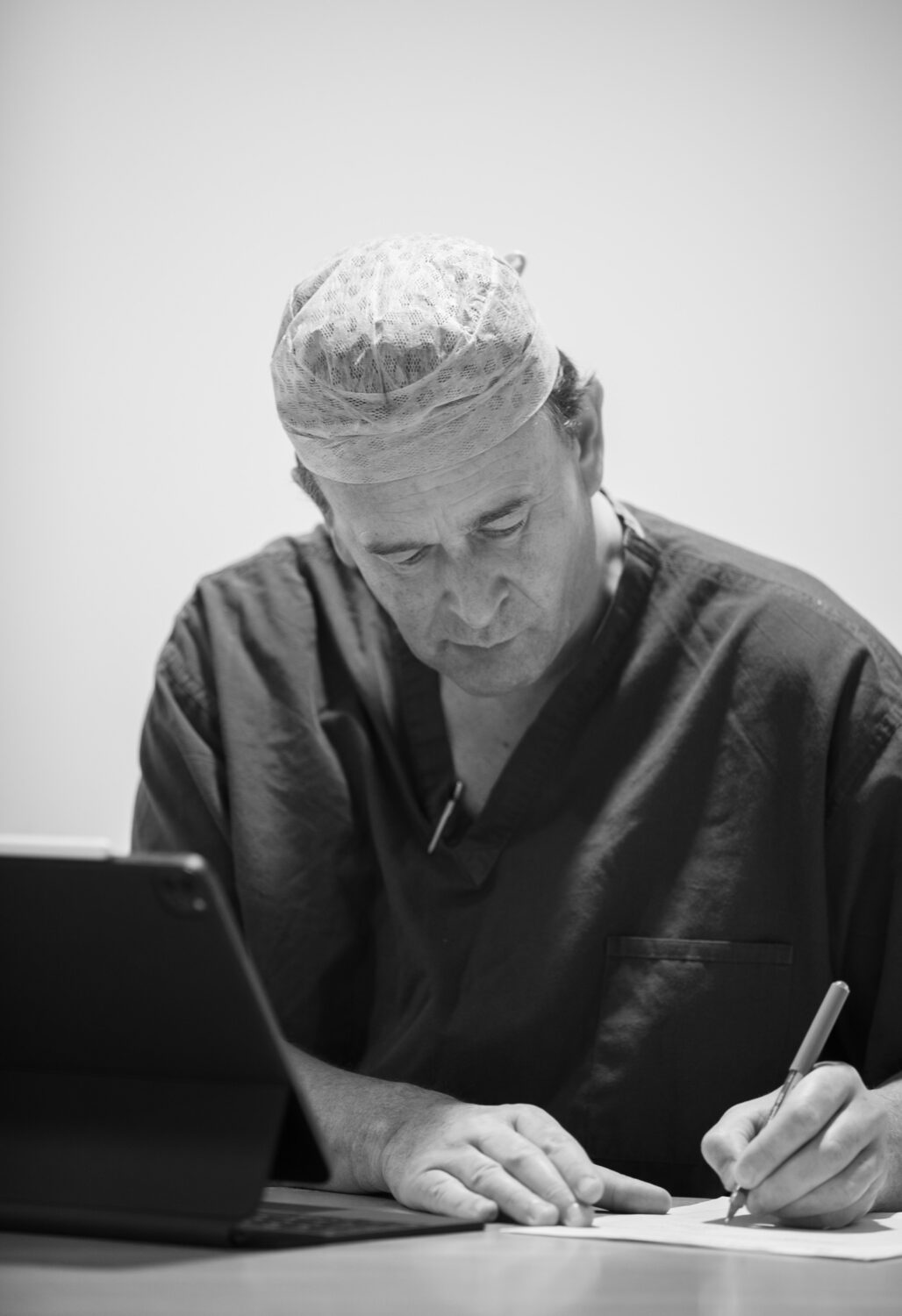
About your Plastic Surgeon: Mr Antony Fitton
MB, BS(hons)., MD., FRCS(eng)., FRCS(plast).
Mr Antony Fitton qualified at the Royal London Hospital in 1989 with distinction in Surgery. He holds a MB, BS(Hons.), MD., FRCS(Eng.), FRCS(Plast.) (Fellowship at the Royal College of Surgeons).
He is a member of BAPRAS (British Association for Plastic, Reconstructive and Aesthetic Surgeons), BAAPS (British Association for Aesthetic Plastic Surgeons), BSSH (British Society for Surgery of the Hand).
Mr Fitton has received the Paton & Masser Award and the CM Matthews Award from the Royal College of Surgeons of England or his research in nerve injury.
Mr Fitton is licensed as Plastic and Reconstructive Surgeon by the GMC.
- 0% Finance Available
- Consultations and treatments are available at either the Nuffield Health Hospital, Plymouth or the Duchy Hospital, Truro
- Care Quality Commission Regulated
- GMC Specialist Registered Surgeon
- BAPRAS, BAAPS and BSSH member
- Registered MD
Life-changing result
"I just wanted to thank you (and your team) for the life-changing result of my top surgery. This will provide me with the freedom that I’m excited to enjoy, including being able to go swimming and actually staying cool in summer! All jokes aside, you have helped to mark a new chapter in my life, for which I am incredibly grateful… ALL the best."
Our appearance has an impact on how others perceive us. We are experts in creating an improved version of you. Click on a procedure below for more information.
Body surgery (or contouring) can involve all or one of the following, with prime focus on areas such as the buttocks, tummy, thighs, arms, and breasts. Click on the links below for more information.
There are several different types of hand surgery but all aim to restore functionality while making the hand look as normal as possible. Click on the links below for more information.
FTM Top Surgery: Risks, Complications, and What to Expect Afterwards
Every patient who comes to see Mr Fitton about FTM top surgery asks the same question at some point:
Accessing Gender-Affirming Care in the UK | Private FTM Top Surgery
Explore why many FTM and non-binary patients are choosing private top surgery in the UK to avoid lon

FTM Top Surgery: Understanding Your Surgical Options
There are currently three principal surgical techniques used in FTM chest reconstruction. Each has i