Am I Non-Binary or Transgender & What Should I Do?
Understanding your gender identity can feel complex, personal, and at times overwhelming.
If you’re asking yourself whether you might be non-binary or transgender, you’re not alone—and there’s no pressure to have all the answers immediately.
For many people across Devon, Cornwall, and the wider UK, exploring gender identity is a gradual process. This guide is designed to help you understand the differences, recognise potential signs, and consider your next steps in a supportive and informed way.
Understanding the Definitions
Before exploring how you feel, it’s important to understand some key terms.
What does “Transgender” mean?
A transgender person is someone whose gender identity is different from the sex they were assigned at birth.
For example:
- Someone assigned female at birth who identifies as male (FTM)
- Someone assigned male at birth who identifies as female (MTF)
Some transgender people pursue medical treatments such as hormone therapy or surgery, while others do not.
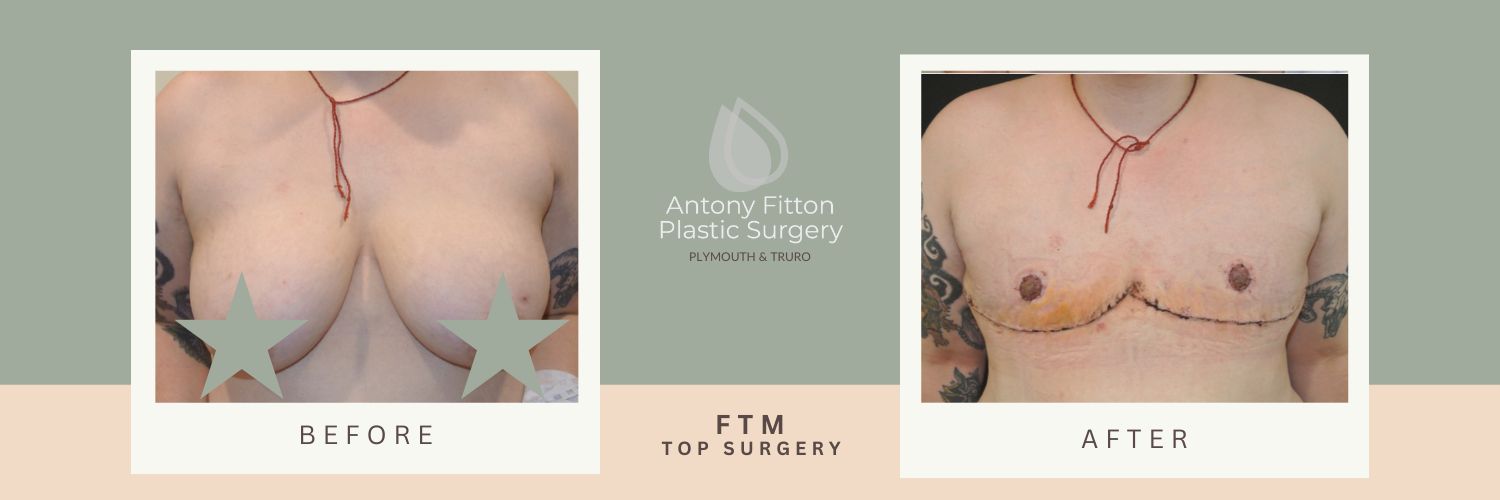
NB. Antony Fitton specialises in FTM top surgery.
What does “Non-Binary” mean?
Non-binary is an umbrella term for people whose gender identity doesn’t fit strictly within male or female categories.
This might include:
- Feeling like both genders
- Feeling like neither gender
- Experiencing gender as fluid or changing over time
Some non-binary people identify as transgender, while others do not—it’s entirely personal.
Signs You Might Be Non-Binary
There’s no checklist or test, but certain feelings and experiences may resonate with you:
- You don’t feel fully comfortable identifying as strictly male or female
- You may feel disconnected from traditional gender roles or expectations
- Your sense of identity may shift over time (gender fluidity)
- You prefer neutral language (e.g. they/them pronouns)
- You may feel more comfortable presenting in a way that blends or avoids gender norms
For some, these feelings have always been present. For others, they develop gradually.
Signs You Might Be Transgender
Similarly, being transgender is a deeply personal experience, but some common signs include:
- A strong sense that your gender identity does not match your assigned sex at birth
- Feeling discomfort or distress (sometimes referred to as gender dysphoria)
- A desire to be recognised and treated as a different gender
- Wanting physical changes to better align your body with your identity
- Feeling more authentic when expressing yourself as your identified gender
Not everyone experiences dysphoria in the same way—or at all.

Am I Ready For Plastic Surgery?
Download your free self-assessment checklist to help you reflect on whether now is the right time for you — emotionally, physically, and practically.

Steps to Explore Your Identity
Exploring your gender identity doesn’t need to happen all at once. Many people find clarity over time through small, manageable steps.
1. Reflect on Your Feelings
Take time to notice how you feel about:
- Your body
- How others perceive you
- How you express yourself
Journaling or simply acknowledging your thoughts can be helpful.
2. Learn from Others
Reading or hearing about other people’s experiences can help you better understand your own.
Look for:
- Personal stories
- Online communities
- Educational resources
3. Try Different Forms of Expression
You might explore:
- Clothing or style changes
- Different names or pronouns
- Adjusting how you present yourself socially
These small changes can provide valuable insight into what feels right for you.
4. Speak to Someone You Trust
This could be:
- A friend or family member
- A support group
- A therapist with experience in gender identity
Having a supportive conversation can make a significant difference.
5. Consider Professional Guidance
If you’re thinking about medical options, speaking to qualified professionals is an important step.
This may include:
- Gender identity specialists
- Psychologists or counsellors
- Medical professionals experienced in gender-affirming care
What To Do Next
If you’re exploring your identity, there’s no “correct” timeline or outcome. Some people choose social changes only, while others explore medical options.
Considering Surgery?
For some individuals, procedures such as chest (top) surgery can play an important role in aligning physical appearance with identity.
At plasticsurgeryplymouth.com, Antony Fitton offers:
- Female-to-male (FTM) chest reconstruction
- Non-binary chest surgery options
- Personalised consultations tailored to your goals
Every patient journey is unique, and decisions are made carefully, with your wellbeing at the centre.
Take the First Step Towards Feeling More Like Yourself
If you’re considering your options and would like professional guidance, a confidential consultation can help you:
- Understand what treatments are available
- Discuss your goals in a safe, supportive environment
- Learn what the process involves, from consultation to recovery
You don’t need to have everything figured out before reaching out.
If you’re considering FTM or non-binary chest surgery, you don’t have to navigate it alone.
- Book a consultation with Mr Antony Fitton
- Get clear, expert advice on your options
- Start your journey with confidence
No. Many people seek guidance while still exploring their identity.
Yes. Many non-binary individuals pursue surgery to achieve a body that feels right for them.
Not always. Some procedures, including certain chest surgeries, may be available without hormone therapy.
There is no set timeframe. Some people take months, others years.
Yes. There are both local and national resources available, alongside private consultation options.
Final Thoughts: Is Top Surgery Right for You?
Whether you identify as non-binary, transgender, or are still exploring, this is your journey—there’s no rush, no pressure, and no single path to follow.
exploring your options
If you’re exploring your options, it’s important to speak with a specialist who understands both the technical and personal aspects of top surgery.
A specialist consultation with Mr Fitton gives you the chance to:
- Ask questions
- Understand your options
- See real patient outcomes
- Build confidence in your decision
Take the Next Step
Book a confidential consultation with Antony Fitton today, and start your journey with clarity and confidence.
Remember: Plastic surgery can be a life-changing decision, offering both cosmetic and functional benefits.
However, it is crucial to have accurate information and realistic expectations. Consulting with a certified and experienced plastic surgeon is the best course of action to ensure you receive personalised advice and clear answers to any queries.
– Educate Yourself: Research procedures thoroughly.
– Prepare for Recovery: Understand the time and effort needed for healing.
– Prioritise Your Safety: Choose reputable clinics and experienced professionals.
Ultimately, informed decision-making plays a vital role in achieving satisfactory results in any cosmetic procedure.
Take the First Step and Arrange a Confidential Consultation
For a no-obligation quote, tailored specifically to you, please book in for your consultation with Mr Fitton. Your requirements will be discussed in full confidence in a friendly and relaxed atmosphere.
Following your consultation, the price you are quoted includes everything and there are no extra or hidden costs. Advice, treatment and aftercare are all part of our package to ensure your experience is positive from beginning to end.
About your Plastic Surgeon: Mr Antony Fitton
MB, BS(hons)., MD., FRCS(eng)., FRCS(plast).
Mr Antony Fitton qualified at the Royal London Hospital in 1989 with distinction in Surgery. He holds an MB, BS(Hons)., MD., FRCS(eng). and FRCS(plast). (Fellowship at the Royal College of Surgeons).
He is a member of BAPRAS (British Association for Plastic, Reconstructive and Aesthetic Surgeons), BAAPS (British Association for Aesthetic Plastic Surgeons), and BSSH (British Society for Surgery of the Hand).
Mr Fitton has received the Paton & Masser Award and the CM Matthews Award from the Royal College of Surgeons of England for his research in nerve injury.
Mr Fitton is licensed as a Plastic and Reconstructive Surgeon by the GMC.
- 0% Finance Available
- Consultations and treatments are available at the Nuffield Health Hospital, Plymouth
- Care Quality Commission Regulated
- GMC Specialist Registered Surgeon
- BAPRAS, BAAPS and BSSH member
- Registered MD
Life-changing result
"I just wanted to thank you (and your team) for the life-changing result of my top surgery. This will provide me with the freedom that I’m excited to enjoy, including being able to go swimming and actually staying cool in summer! All jokes aside, you have helped to mark a new chapter in my life, for which I am incredibly grateful… ALL the best."
Our appearance has an impact on how others perceive us. We are experts in creating an improved version of you. You can click on the procedure below for more information.
Body surgery (or contouring) can involve all or one of the following, with a prime focus on areas such as the buttocks, tummy, thighs, arms, and breasts. Click on the links below for more information.
There are several different types of hand surgery but all aim to restore functionality while making the hand look as normal as possible. Click on the links below for more information.
Accessing Gender-Affirming Care in the UK | Private FTM Top Surgery
Explore why many FTM and non-binary patients are choosing private top surgery in the UK to avoid lon
FTM Top Surgery: Understanding Your Surgical Options
There are currently three principal surgical techniques used in FTM chest reconstruction. Each has i
Do I Need A Referral Or Diagnosis To Proceed Privately With My Top Surgery?
Thinking about top surgery but unsure where to start? Our clear, honest guide will help you decide i